

Will Therapeutic Ultrasound Help Rotator Cuff Injuries?
Last updated: July 2026. This post has been revised to reflect current physiotherapy evidence and treatment approaches.
Introduction
Rotator cuff injuries often impact the shoulder and significantly affect your quality of life. They can make simple tasks like reaching, throwing, or washing your hair challenging. Physiotherapy commonly utilizes therapeutic ultrasound as a treatment modality, with treatment durations ranging from a few seconds to 5 minutes. In this blog post, we will explore the potential benefits and important considerations of therapeutic ultrasound for rotator cuff injuries.
Understanding Rotator Cuff Injuries
The rotator cuff comprises four muscles and their tendons: Supraspinatus, Infraspinatus, Teres minor, and Subscapularis. These muscles play a vital role in stabilizing the shoulder by maintaining its alignment within the socket during movement.
Rotator cuff injuries typically result from falls, repetitive overhead motions, or gradual wear and tear over time. One common symptom is pain in the deltoid area of the shoulder, which can occur during rest, lying down, sleeping, or any movement. Finding the most effective treatments becomes crucial for a prompt recovery from rotator cuff tendinitis or tear.
What Is Therapeutic Ultrasound?
Ultrasound serves not only as an imaging tool but also as a method for tissue repair. Since the 19th century, diagnostic ultrasound has been used to detect fetuses and soft tissue structures. Ultrasound’s sound waves penetrate deep into the tissue and increase blood flow, making it useful for treating damaged tendons, ligaments, or fascia. Therapeutic ultrasound offers adjustable parameters to suit specific injuries. The frequency determines the depth of tissue penetration: 1MHz reaches deeper, while 3MHz generates more heat. Intensity, duty cycle, and treatment duration can be customized to enhance injury treatment.
Therapeutic Ultrasound for Rotator Cuff Injuries
The evidence against therapeutic ultrasound has strengthened considerably in recent years. A 2025 Clinical Practice Guideline published in the Journal of Orthopaedic & Sports Physical Therapy — the field’s leading evidence synthesis — explicitly states that therapeutic ultrasound is not recommended for rotator cuff tendinopathy, citing a lack of demonstrated benefit for both calcific and non-calcific presentations.
A 2025 three-way randomized study comparing extracorporeal shockwave therapy, low-level laser therapy, and therapeutic ultrasound for rotator cuff tendinopathy found shockwave therapy to be the more effective modality for pain and function outcomes. The same JOSPT guideline supports shockwave as a useful option specifically for calcific rotator cuff tendinopathy.
At Excite Physiotherapy, we offer shockwave therapy in Barrie, alongside intramuscular stimulation (IMS) and advanced manual therapy — the approaches current evidence supports for rotator cuff conditions.
Conclusion: Will Therapeutic Ultrasound Help Rotator Cuff Injuries?
Therapeutic ultrasound improves blood flow and reaches deep into tissues. Its ability to heal injuries or repair rotator cuff tears has not been substantiated, however. The 2025 JOSPT Clinical Practice Guideline now formally recommends against its use for rotator cuff tendinopathy. More advanced and scientifically validated methods have emerged for treating shoulder injuries.
It is worth noting that some patients do report symptomatic relief with therapeutic ultrasound. The mechanism may relate to the heating effect on superficial tissues, or to non-specific treatment effects. For this reason, ultrasound may still appear as a component of care in some clinical settings. At Excite Physiotherapy, we prioritize approaches that have demonstrated measurable outcomes in current research.
Physiotherapists now employ a comprehensive assessment to identify the nature of the injury, concluding that techniques such as dry needling, prescribed exercise, and manual therapy offer superior treatment options for the majority of patients. Discuss a tailored treatment plan, and schedule an appointment with one of our experienced physiotherapists today.
Injured Rotator Cuff? Excite Physiotherapy Can Help!
If you live in or around Barrie, ON, and are suffering from shoulder pain or a torn rotator cuff, then reach out to Excite Physiotherapy. Excite Physio is a boutique physiotherapy clinic in Barrie. We have a team of highly skilled physiotherapists and massage therapists that are ready to identify and treat the cause of your pain, and get you back to a pain free life.
Contact our office today to learn more, or book a session online here.
Author: Gracyn Emmerton, PTA Candidate. Updated July 2026.
Frequently Asked Questions: Therapeutic Ultrasound and Rotator Cuff Injuries
Is therapeutic ultrasound the same as diagnostic ultrasound?
No. Diagnostic ultrasound is an imaging tool used to visualize soft tissue structures such as tendons, muscles, and joints. Therapeutic ultrasound uses sound waves to deliver energy into tissue with the goal of promoting healing. They use similar technology but serve different purposes.
How long does a therapeutic ultrasound session take?
Treatment typically ranges from a few seconds to 5 minutes depending on the area being treated, the parameters selected, and the clinical goal. Your physiotherapist will determine the appropriate duration as part of your overall treatment plan.
What treatments do physiotherapists use instead of ultrasound for rotator cuff injuries?
Current evidence supports a combination of intramuscular stimulation (IMS/dry needling), manual therapy, and exercise prescription for most rotator cuff conditions. For certain presentations, shockwave therapy may also be appropriate. Your physiotherapist will assess your specific injury and recommend the most suitable approach.
Can physiotherapy help a rotator cuff tear without surgery?
Physiotherapy is commonly recommended as a first-line conservative approach for many rotator cuff tears, particularly partial tears. Whether physiotherapy alone is appropriate depends on the size and type of the tear, your symptoms, and your functional goals. A physiotherapist can assess your presentation and help you understand your options. Response to treatment varies by person.
Where can I get physiotherapy for shoulder pain in Barrie?
Excite Physiotherapy is located at 105 Collier Street in downtown Barrie, Ontario. Our team offers assessment and treatment for rotator cuff injuries and a range of shoulder conditions. Book online or contact us to get started.
Sources:
- Journal of Orthopaedic & Sports Physical Therapy. Rotator Cuff Tendinopathy Diagnosis, Nonsurgical Medical Care, and Rehabilitation: A Clinical Practice Guideline. 2025.
- Ranjithkumar N et al. Comparative Effectiveness of Extracorporeal Shock Wave Therapy, Low-level Laser Therapy, and Ultrasound in the Treatment of Rotator Cuff Tendinopathy. Biomedical and Pharmacology Journal. 2025.
- Physical Agents in Rehabilitation, An Evidence-Based Approach to Practice, Fifth Edition. Michelle H. Cameron, MD, PT, MCR.
- Does Ultrasound Therapy Really Work? VeryWellHealth, Brett Sears, PT.

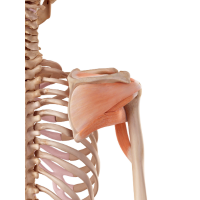
Rotator Cuff tears, Rotator Cuff Tendinitis